
Summary
- Circle plunged 17.5% in a session, extending its monthly loss past 40%, hit by OUSD, a stablecoin led by 140+ major institutions. But OUSD won't launch until late 2026; Circle's long-term position looks secure, and the drop reads as an emotional reaction.
- Bitcoin fell 20% in June with $4.5B in spot ETF outflows, yet whales bought a record 270K BTC worth roughly $15–18 billion, far outweighing the outflows.
- Strategy pivoted to two-way capital management, shifting from "only buy, never sell" to buying and selling as needed to steady cash flow; STRC rebounded 22% off its record low.
Will OUSD Replace USDC? Is Circle Finished?
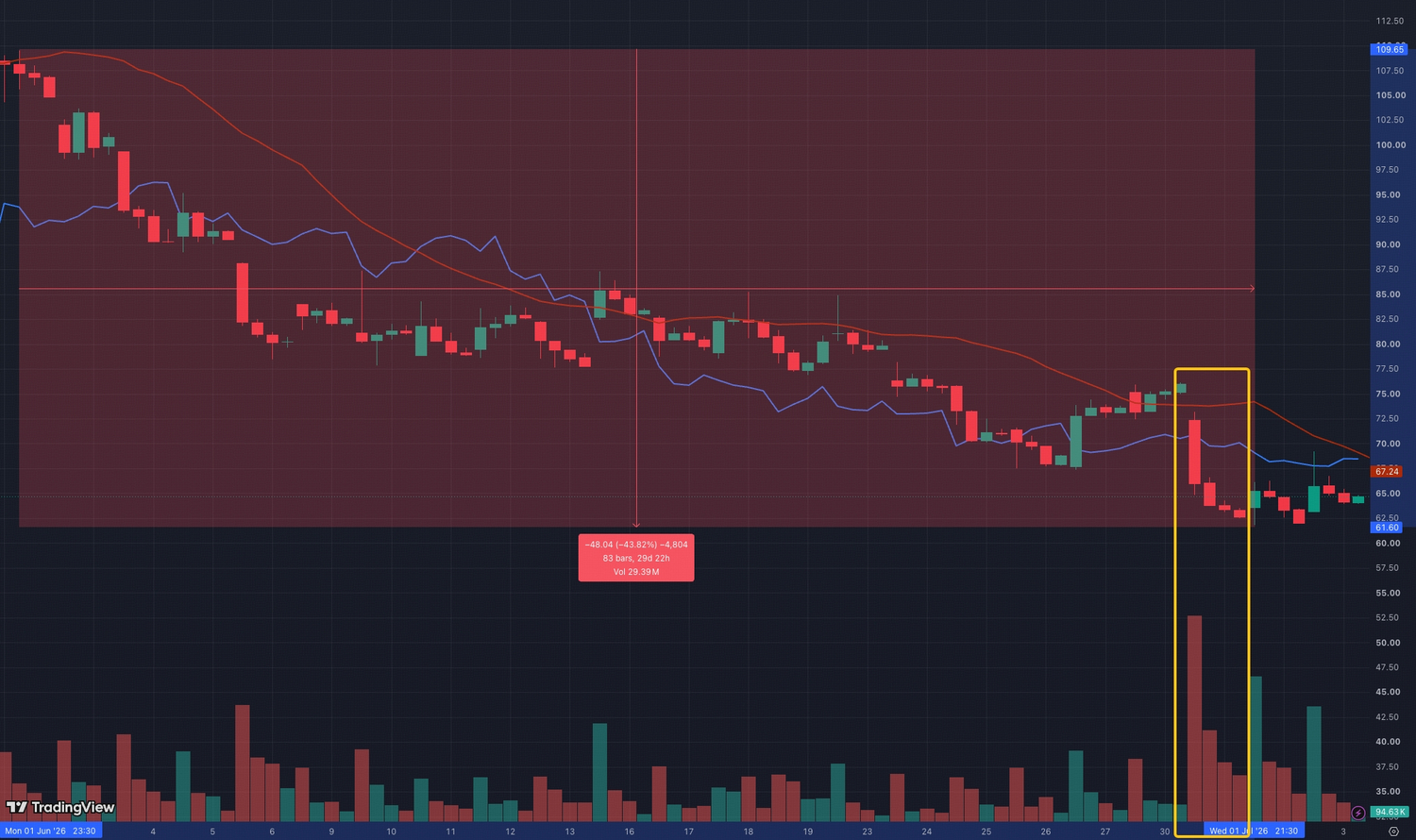
On June 30, Circle (CRCL) plunged about 17.5% in a single session to close at $62.63, a four-month low, extending its loss for the month to more than 40%. The market saw Open USD (OUSD), a stablecoin project preparing to launch, as a direct threat to Circle.
OUSD is a dollar stablecoin led by more than 140 major firms, including Visa, Mastercard, BlackRock, Coinbase, Stripe, Google, Shopify, and OKX, expected to launch in late 2026. Its appeal rests on two features.
- Consortium governance. Notably, Coinbase, a long-standing partner deeply tied to Circle, is also here.
- Zero-fee minting and redemption, with no artificial issuance caps.
For large institutions, this means they can control funds more directly and save the fees they currently pay through Circle and Tether, which is highly attractive. That is why a single announcement was enough to reprice Circle.
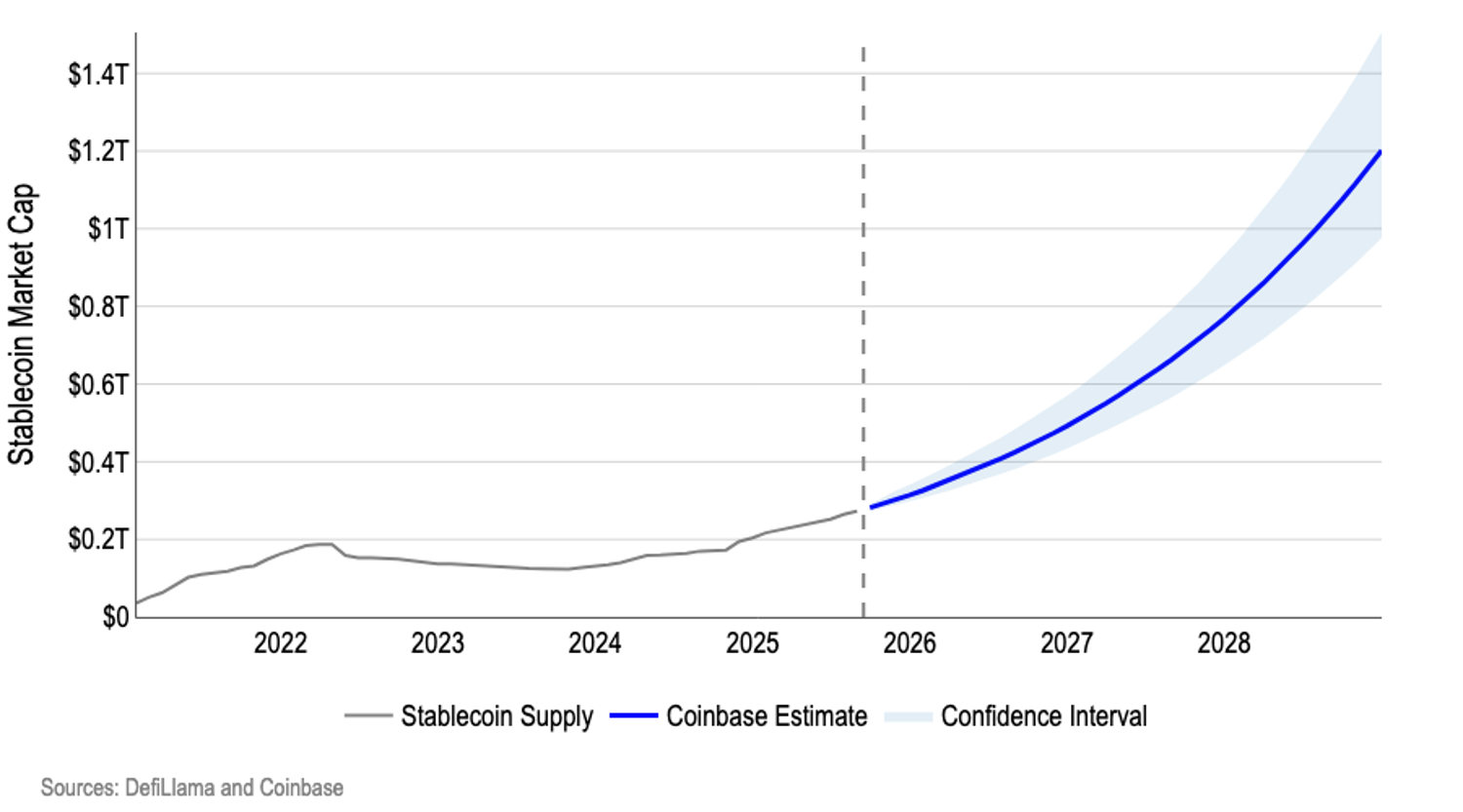
The bigger picture is that the stablecoin market itself keeps expanding, and the cake is only getting larger. The stablecoin market is predicted to be roughly $1.2 trillion by the end of 2028.
OUSD is not the only new entrant. In the same window, Robinhood launched its own public chain and its own stablecoin, USDG, which pays holders a 7% yield within the Robinhood wallet, an attractive hook in itself.
That a brokerage now wants both its own chain and its own stablecoin is a side-signal of how fast tokenization is developing, and of how many players now want a stablecoin of their own.
Circle CEO Jeremy Allaire responded publicly, and his argument centered on 3 points.
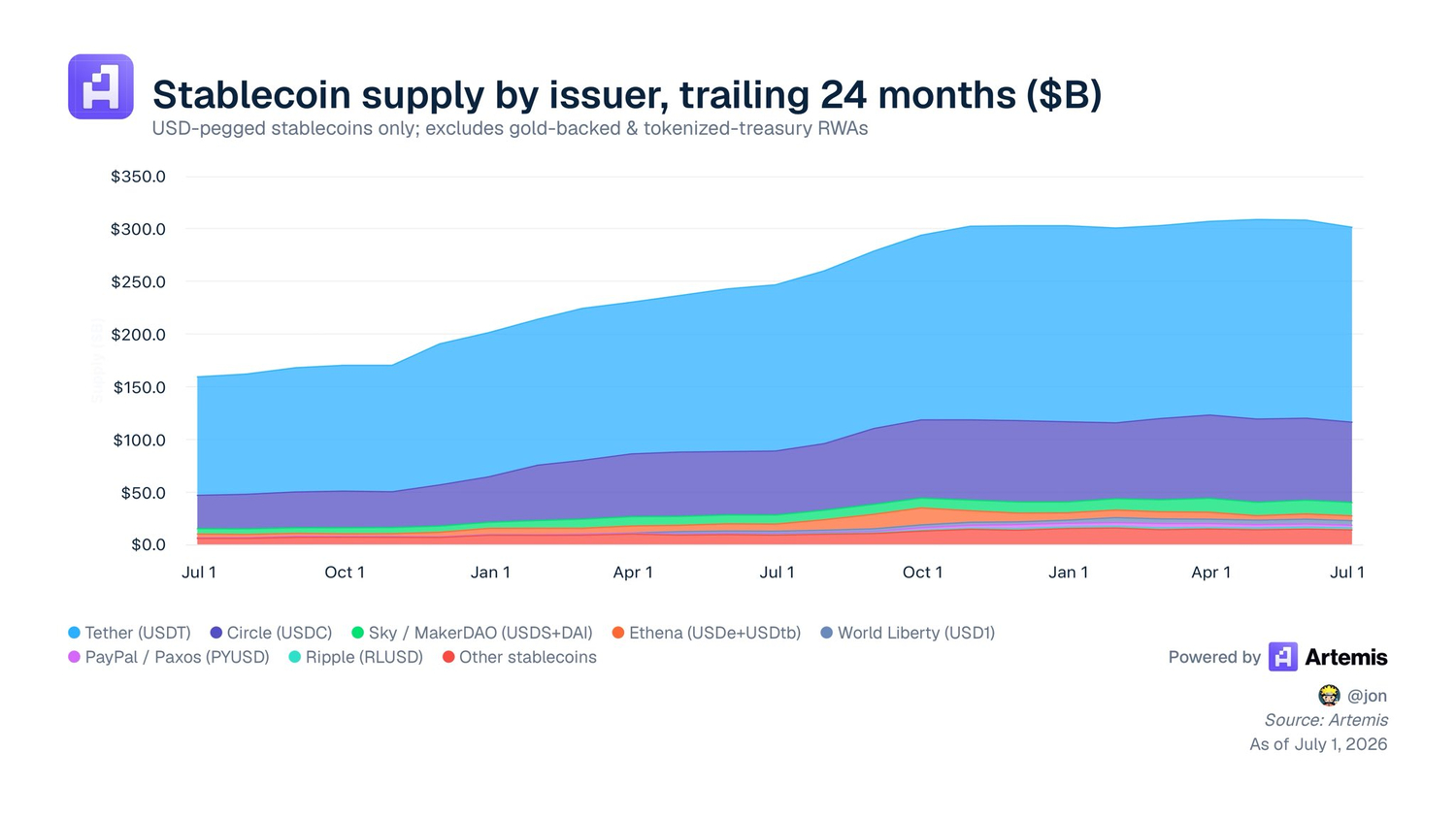
- USDC's liquidity is a major advantage over new entrants.
- USDC is already fully regulated and compliant, and carries years of history and operating experience that a brand-new stablecoin cannot offer.
- He questioned whether permanently offering free, unlimited minting and redemption can remain sustainable at scale.
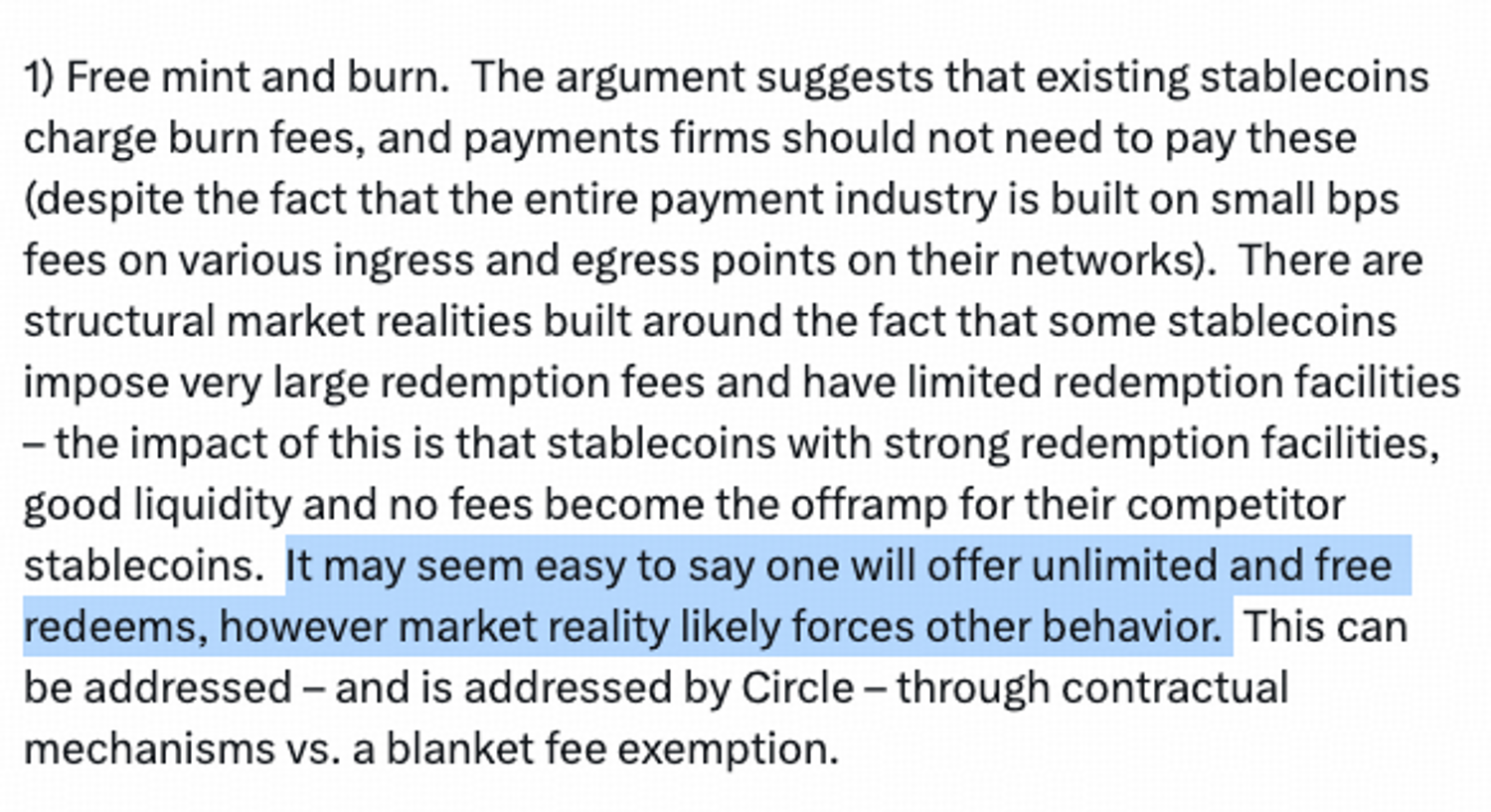
Source: @jerallaire
In the short term, this kind of news can pressure the stock, but over the long term Circle's position is hard to shake.
The point is reinforced by what came next. Two days after OUSD, Standard Chartered announced a partnership with Circle to help traditional banks and financial institutions mint and redeem USDC without opening a Circle account directly.
On that news, CRCL rose about 5%. It is a reminder that Circle is still expanding and integrating deeper into traditional finance, and that USDC's liquidity remains stable and deep.
OUSD does have long-term potential, but it still faces plenty of open questions, such as whether it can launch legally and smoothly, whether people will actually use it, and whether it can attain sufficient liquidity after listing.
Will OUSD affect Circle's long-term development, or dent Tether's long-term profits?
For now, that judgment is premature.
And did it warrant Circle's stock falling about 17.5% in a single day?
That looks more like the short-term market's emotional reaction than a change in fundamentals.
Whale Accumulation at a Historic Scale
Over the past week, as Bitcoin fell from $67K to $57K, whales bought a remarkable 270K BTC, with especially heavy buying around $59K.
For comparison, whales bought only about 150K BTC during the 2020 pandemic crash, and about 180K during the FTX collapse.
This time, even though the drawdown was smaller than either, whale accumulation was the largest on record.
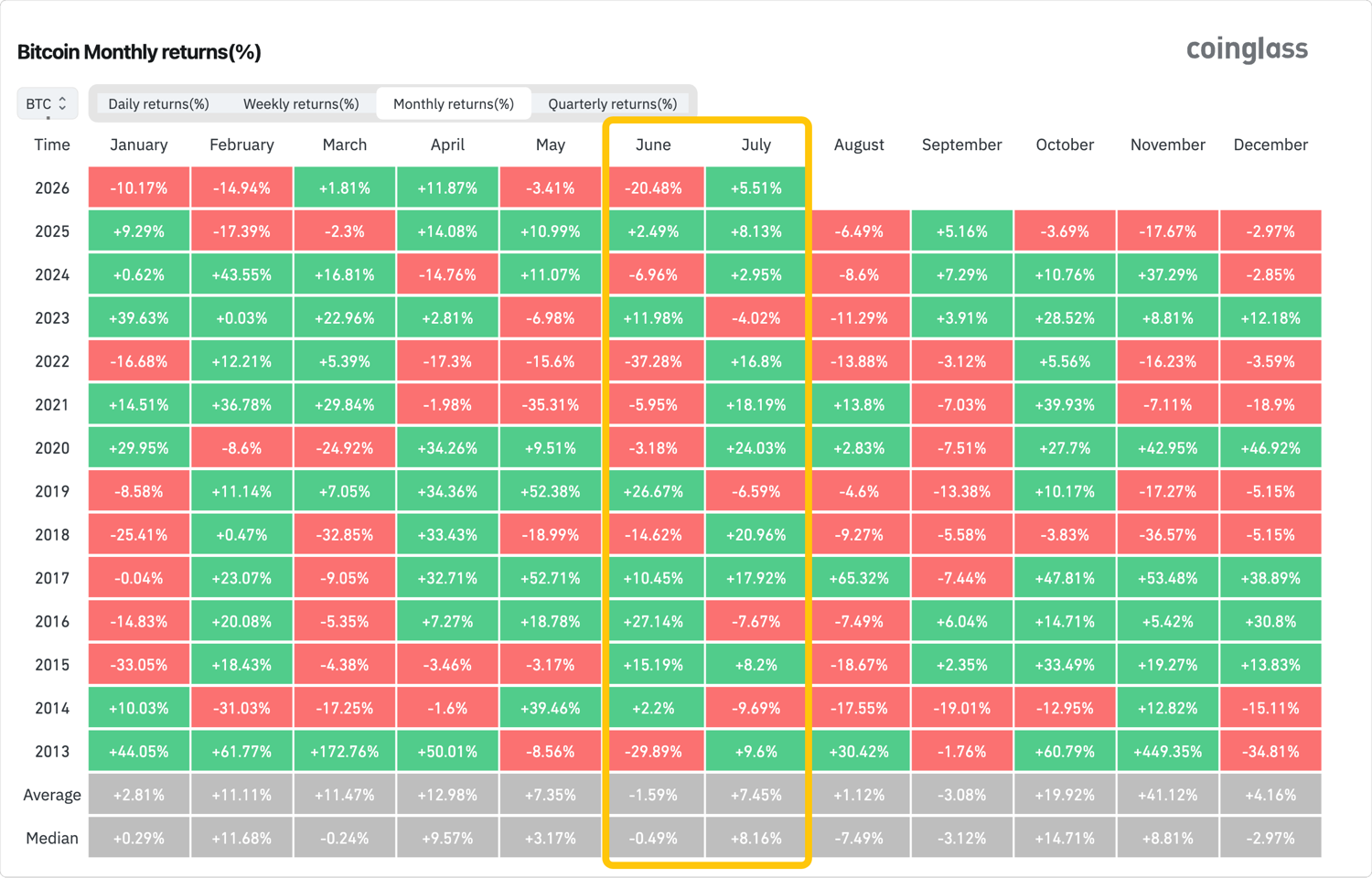
June has always been a tough month for Bitcoin, and this year was no exception, with a drop of about 20% that marked the worst monthly performance of 2026. Over the same period, U.S. spot Bitcoin ETFs saw net outflows of about $4.5 billion.
But those outflows need context. On one hand, they are far smaller than whale buying over the same window; on the other, the $4.5 billion likely reflects capital rotation into AI, memory, and chip sectors rather than a retreat to cash.
At the same time, as Bitcoin printed a 2026 low, crypto treasury companies did not stop.
- MetaPlanet bought another 2,823 BTC last quarter, taking holdings above 43K for the first time.
- Bitmine (BMNR) added for several consecutive weeks against the trend, holding around 5.7 million ETH by end-June.
- ARK (Cathie Wood), over the past three trading days, bought about 122,544 shares of Coinbase ($18 million) and 169,777 shares of Circle ($13 million), and added roughly $5.2 million of Bullish and $5.12 million of Robinhood.
MSTR's Strategy Shift Sparks a 22% STRC Rebound
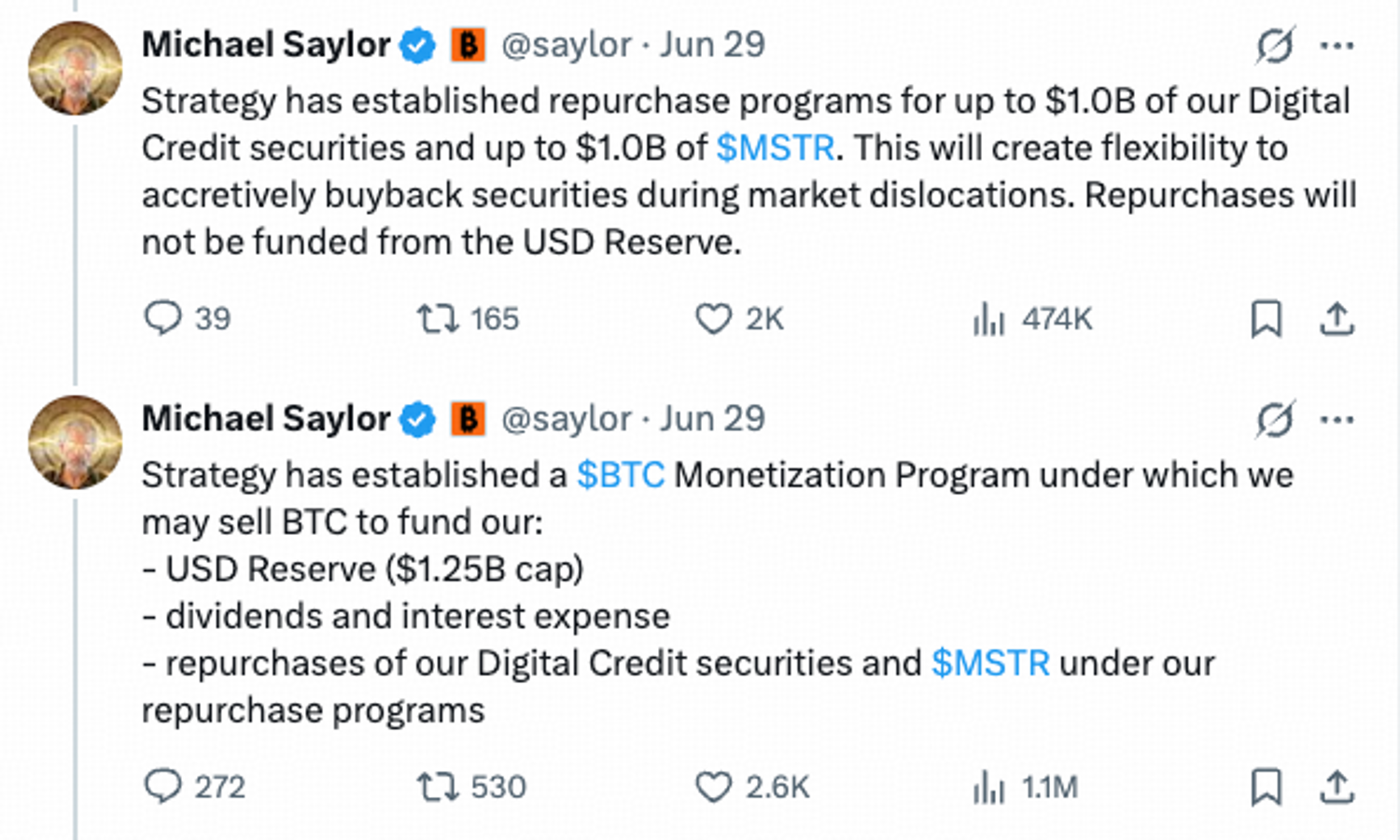
This week Strategy adjusted its capital strategy, shifting from simply issuing new shares to buy Bitcoin toward actively managing its balance sheet. The change has two parts:
- Authorizing up to $2 billion in share buybacks;
- Setting up a framework, for the first time, allowing it to sell up to $1.25 billion of Bitcoin when needed to bolster cash reserves and cover preferred dividends and interest.
In short, it moves from one-way "only buy, never sell" accumulation to two-way management, buying when it makes sense and selling when it makes sense, with the goal of steadier cash flow.
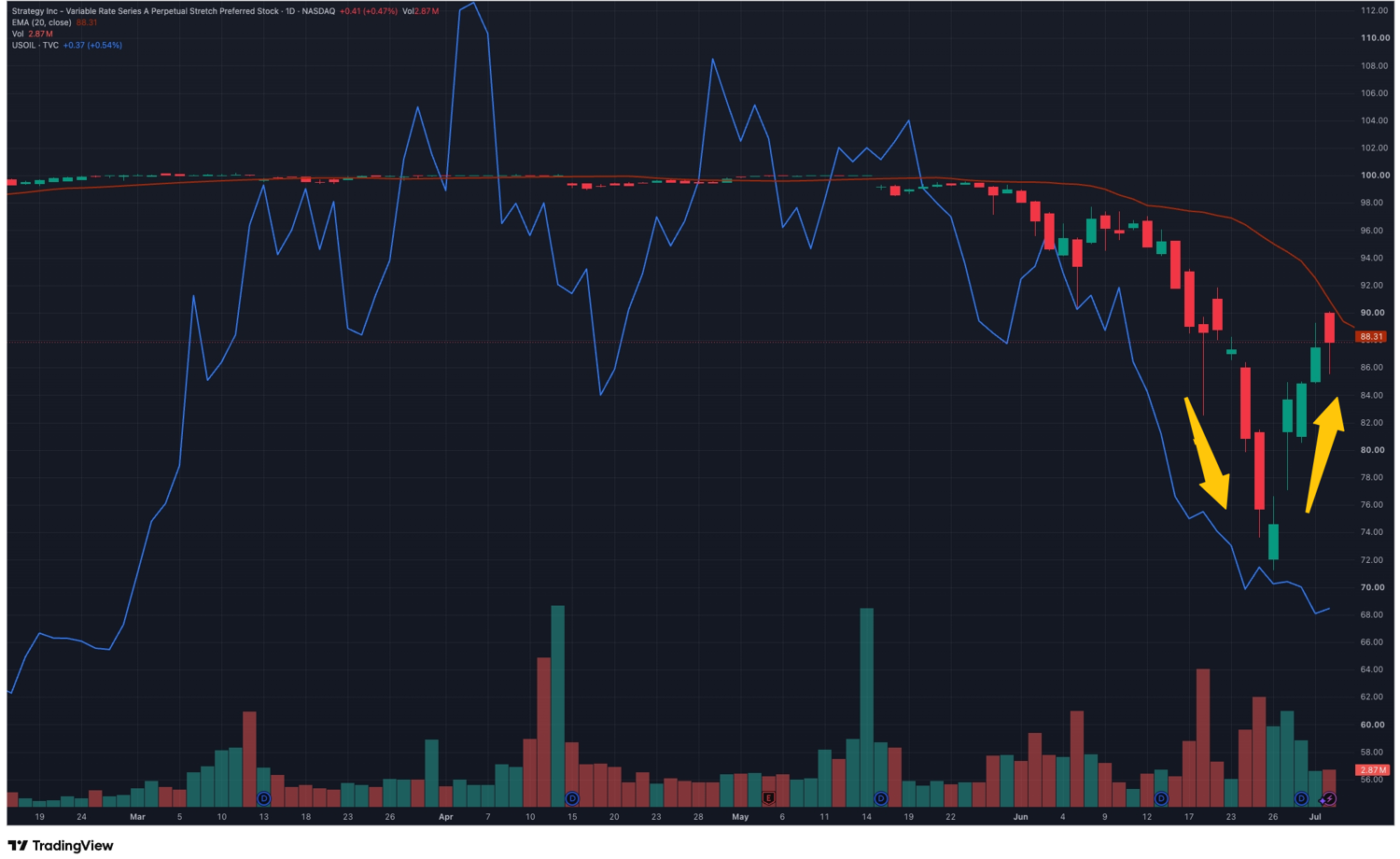
On the day of the announcement, both MSTR and STRC rebounded, STRC especially, snapping back from a record low of $71.25 to about $87.46 and climbing back toward its $100 target par. Two points are worth drawing out.
First, this kind of strategic shift is better for Strategy itself, making its cash flow more stable.
Second, the STRC rebound cuts both ways.
- On one hand, STRC is designed to be pegged to $100, so a recovery toward par is the ideal outcome, much like a stablecoin that must always hold its $1 peg.
- On the other hand, a rebound this violent is itself contradictory, an instrument meant to sit at $100 with low volatility by design has instead shown enormous volatility.
Week Ahead
- Jul 8: U.S. FOMC meeting minutes (June)
- Jul 9: U.S. initial jobless claims
- Aug 18 (approx.): Circle–Coinbase distribution agreement renewal window
The June FOMC minutes come after the June rate pause. The market will read them for how a Warsh-led Fed weighs a cooling labor market against still-above-target inflation.
The Circle–Coinbase renewal around August 18 falls outside this week but is the nearest crypto-native catalyst; in the OUSD context, watch for renegotiation or a breakup. The market has priced the threat to Circle's model, not adoption or execution.
Disclaimer: The information provided herein does not constitute investment advice, financial advice, trading advice, or any other sort of advice, and should not be treated as such. All content set out above is for informational purposes only.