
Summary
- Bitcoin’s “Uptober” still has history on its side, but liquidity is becoming the real test. BTC has risen in 10 of the past 13 Octobers and Q4 has historically been its strongest quarter, but this year follows a 42% Q3 rally while the Fed remains in tightening mode.
- Fresh capital is showing signs of weakening. US spot Bitcoin ETFs recorded roughly $485M in net outflows on Oct 7, their largest daily withdrawal in more than three months, while the Coinbase Premium Index has remained mostly negative since mid-September.
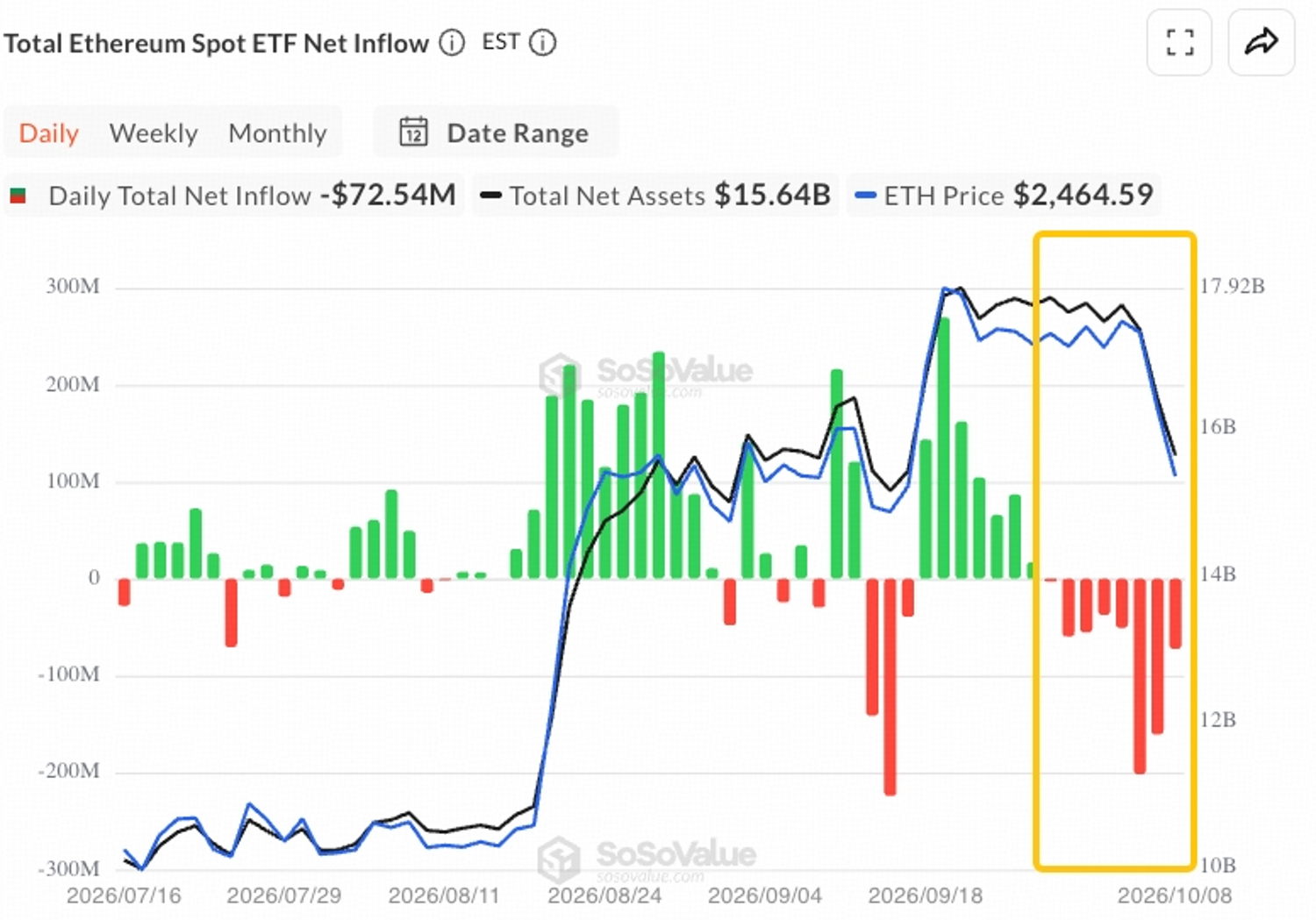
- Ethereum is under even greater pressure. ETH fell nearly 11% in the latest selloff versus roughly 6% for BTC, as spot ETH ETFs logged eight straight days and $641M of net outflows, BitMine approaches a potential pause in buying, and a MetaMask security incident triggered a surge in staking exits.
Can Bitcoin’s “Uptober” Still Work?
Bitcoin still has one of its strongest seasonal setups in October, but the structure behind that pattern has changed. With BTC now more deeply connected to ETFs, US institutional flows and macro liquidity, history matters less than whether fresh capital is still willing to come in.
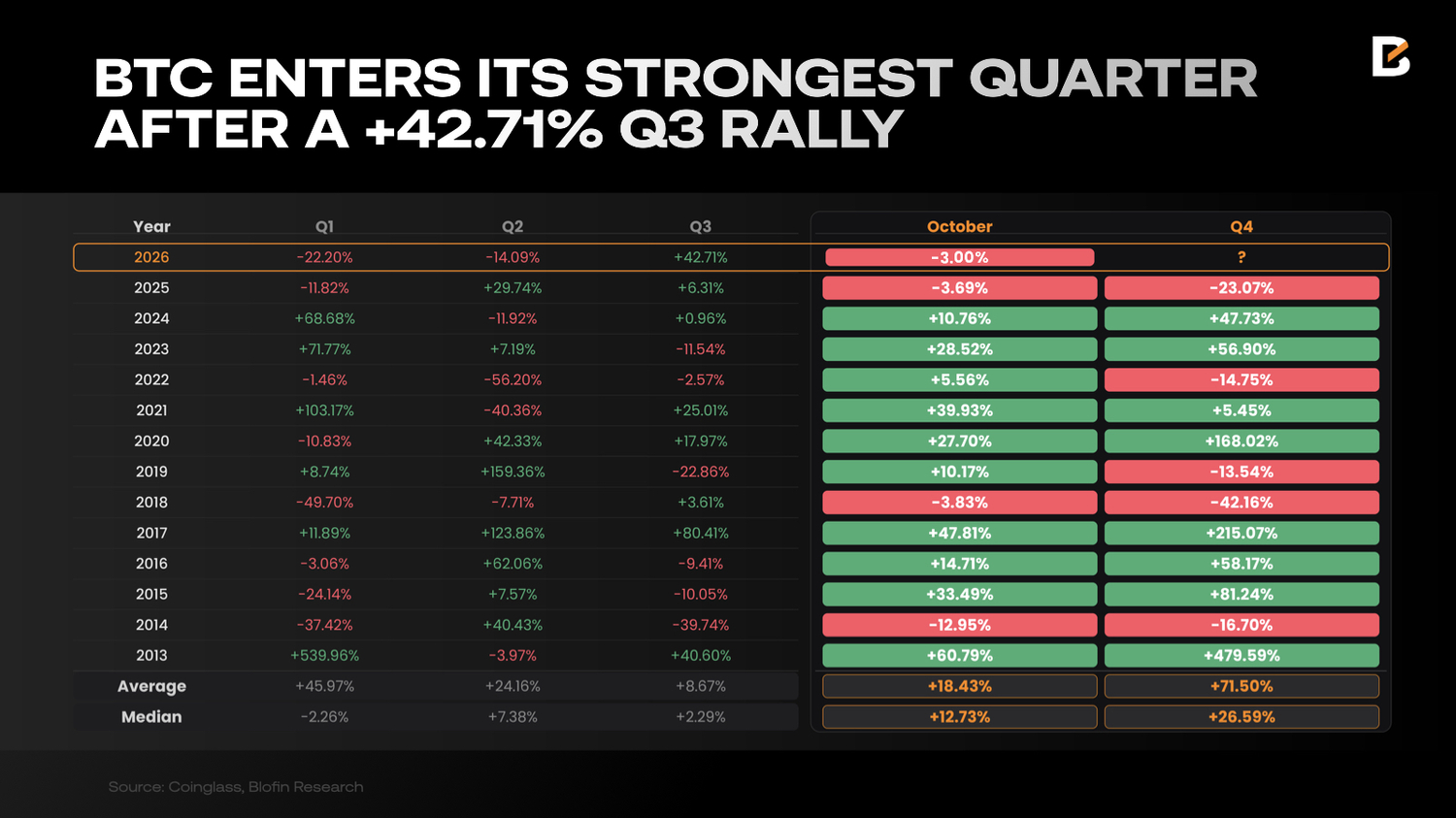
Since 2013, Bitcoin has finished October higher in 10 of 13 completed years, a roughly 77% hit rate. Q4 has also historically been its strongest quarter, with an average return of 71.50%, although several exceptional bull-market years have lifted the average.
But 2026 enters this historically strong period from an unusual position: BTC surged 42% in Q3, its strongest third-quarter performance since 2017, before falling roughly 3% in early October.
Bitcoin’s capital structure has changed significantly from the years that created its historical October pattern. Spot ETFs have connected BTC more directly with traditional portfolios, making institutional risk appetite and macro liquidity increasingly important.
For this October, 3 factors support the historical pattern, while 2 suggest it deserves a discount:
- Bitcoin’s own history favors October. BTC has risen in 10 of the past 13 Octobers. If the historical seasonal pattern holds, October remains one of Bitcoin’s strongest windows of the year.
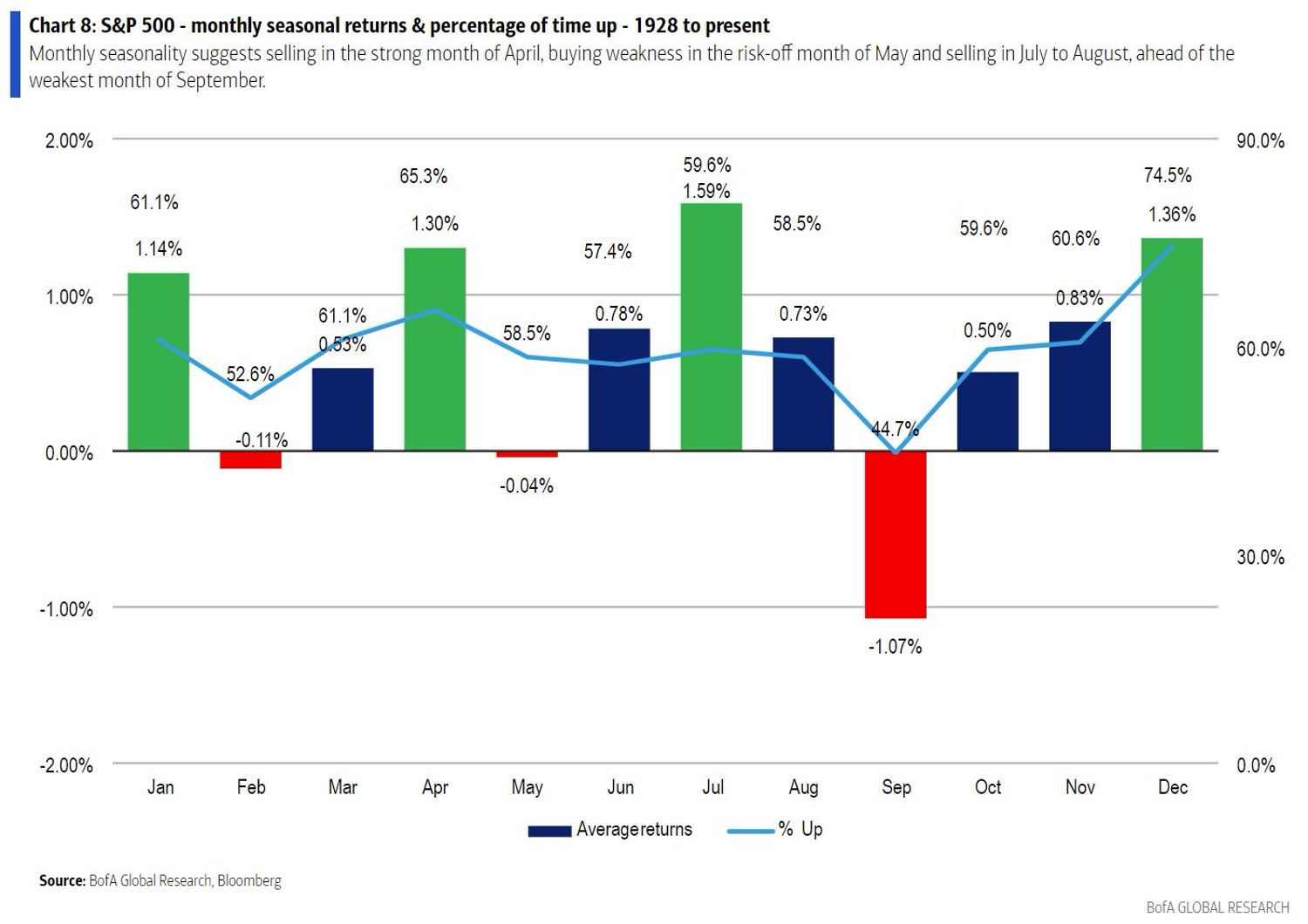
- US equities are entering a historically stronger period. Bitcoin and equities generally share exposure to broader risk appetite, especially now that institutional investors can access BTC directly through spot ETFs. Since 1928, September has been the weakest month for the S&P 500 on average, while returns turn positive in October and improve further into November and December. A stronger year-end environment for equities therefore provides a more supportive backdrop for BTC.
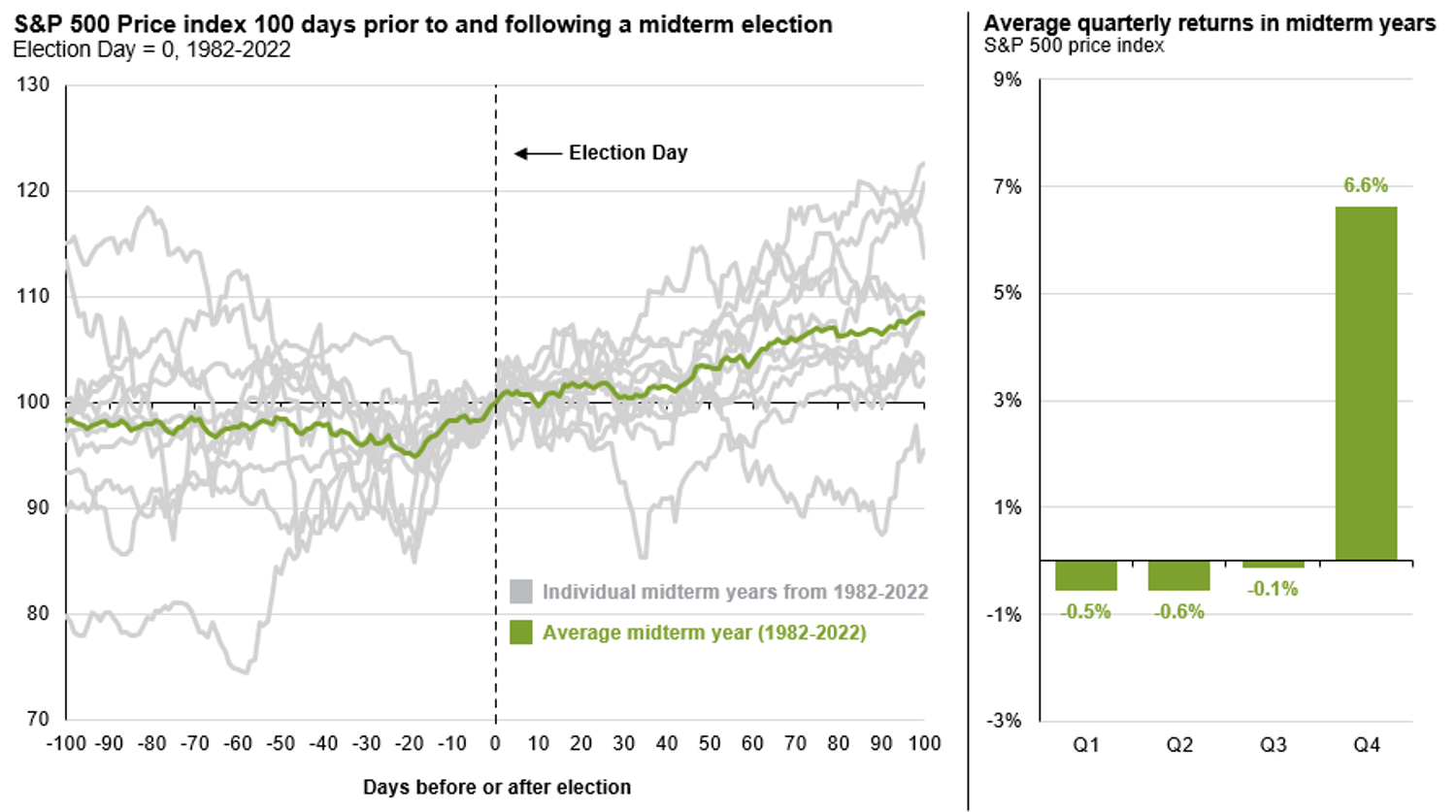
- Midterm election years have historically strengthened in Q4. From 1982 to 2022, the S&P 500 averaged slightly negative returns in each of the first three quarters of midterm years, before jumping to +6.6% in Q4. The historical pattern also shows equities strengthening after Election Day, as some policy uncertainty begins to clear.
- Bitcoin may have already pulled some of that strength forward. BTC rallied 42% in Q3, while September finished positive despite historically being one of Bitcoin’s weaker months. That unusually strong setup raises the question of how much of the Q4 optimism is already reflected in price.
- Macro liquidity is showing signs of tightening, the biggest constraint right now. The Fed raised rates by 25bp in September, and minutes released on Oct 7 showed that most officials still saw another hike this year as appropriate. Higher rates tighten financial conditions and can reduce capital flowing into risk assets such as Bitcoin.
This leaves Bitcoin with a supportive seasonal backdrop, but a much more challenging liquidity environment.
Is Fresh Money Still Coming In?
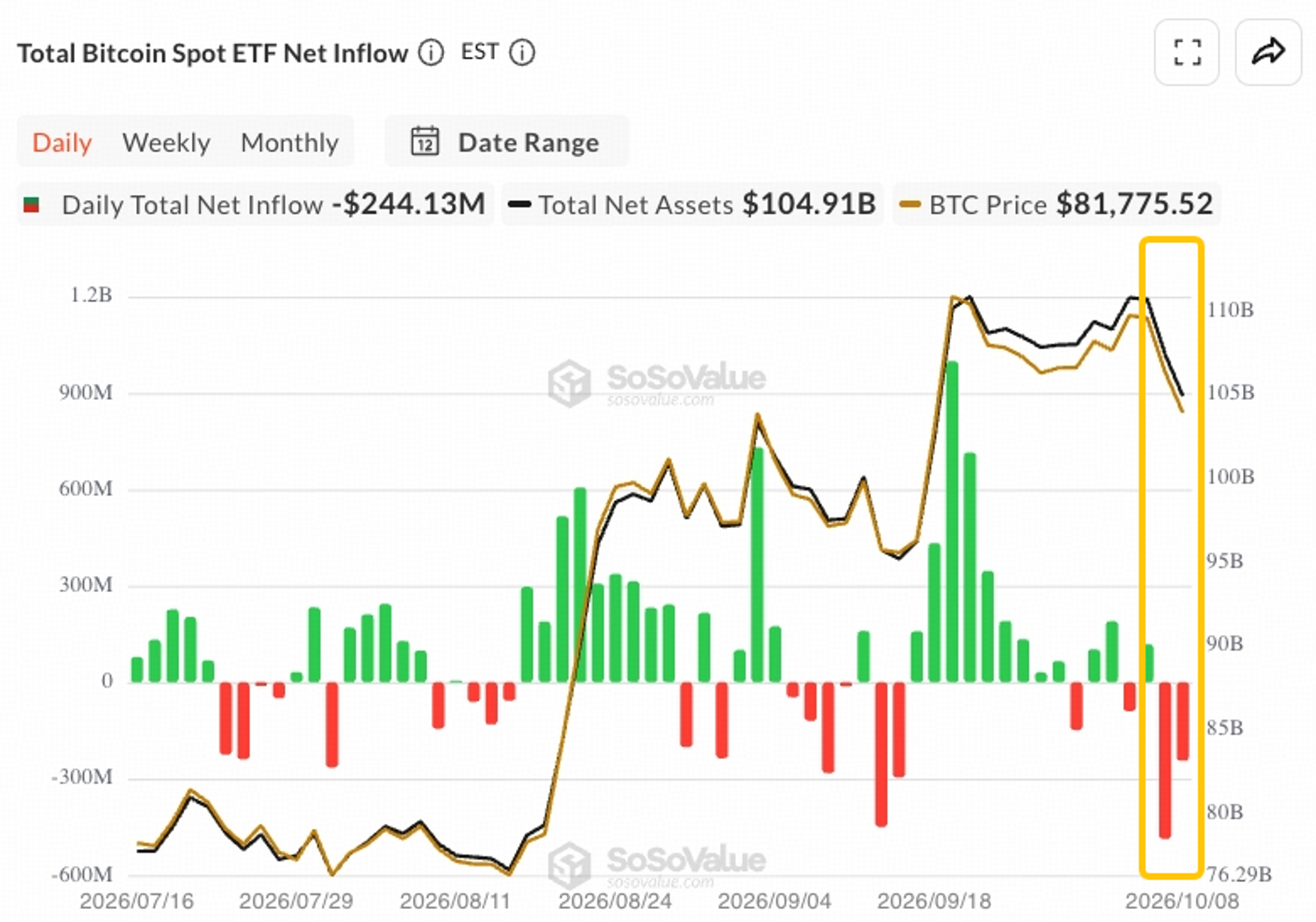
- Spot Bitcoin ETFs: US spot ETFs began October with net inflows, but the picture changed sharply after the Oct 7 Fed minutes. That day, they recorded roughly $485 million in net outflows, the largest single-day withdrawal in more than 3 months, wiping out the net inflows accumulated over the first four trading sessions of October.
- Coinbase Premium Index: Since mid-September, the index has spent most of its time below zero, indicating relatively weak buying demand from US investors and stronger selling pressure.
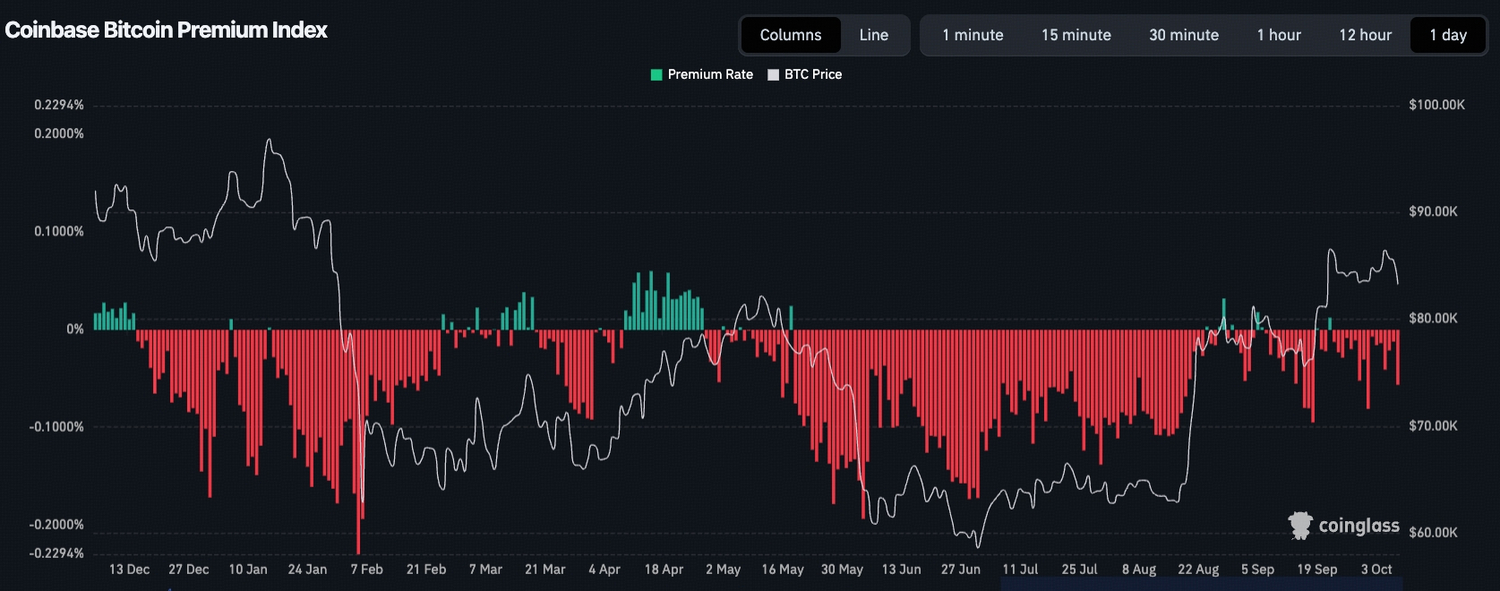
Neither signal means demand has disappeared. But together they suggest that fresh buying is no longer providing the same consistent support seen during stronger parts of the rally.
We therefore remain constructive on October, but not simply because of its 77% historical hit rate. History is the tailwind; liquidity is the test.
From here, 2 things matter most: whether ETF flows stabilize, and whether next week’s CPI and PPI ease or reinforce expectations for further Fed tightening.
Uptober still has history on its side. This year, history needs fresh money to back it up.
Ethereum Is Facing Multiple Pressures
Ethereum is now facing more pressure than Bitcoin. ETH briefly fell to $2406 on Oct 8, extending its recent decline as broader macro pressure combined with weakening ETF demand and growing uncertainty on both sides of ETH’s supply-demand balance.
- Spot Ethereum ETFs have suffered eight consecutive trading days of outflows.
From Sep 29 to Oct 8, US spot ETH ETFs recorded a combined $641 million in net outflows, reflecting a sustained withdrawal of institutional capital as ETH prices continued to weaken.
- Ethereum’s largest DAT may stop buying within 6–7 weeks.
At TOKEN2049 on Oct 7, BitMine Chairman Tom Lee said the company would stop accumulating ETH once its holdings reach 5% of circulating supply.
BitMine already holds roughly 4.9%, leaving about 100K ETH to go. At its recent purchasing pace, the target could be reached within 6–7 weeks, potentially removing one of ETH’s largest and most consistent sources of buying demand.

- A MetaMask security incident has triggered a surge in ETH staking exits.
After MetaMask began withdrawing affected validators as a precaution, ETH waiting to exit staking jumped to more than 850K on Oct 2.
Some of that ETH may eventually be restaked, but the sudden surge in exits has added uncertainty around staking and potential selling pressure as previously locked ETH becomes available.
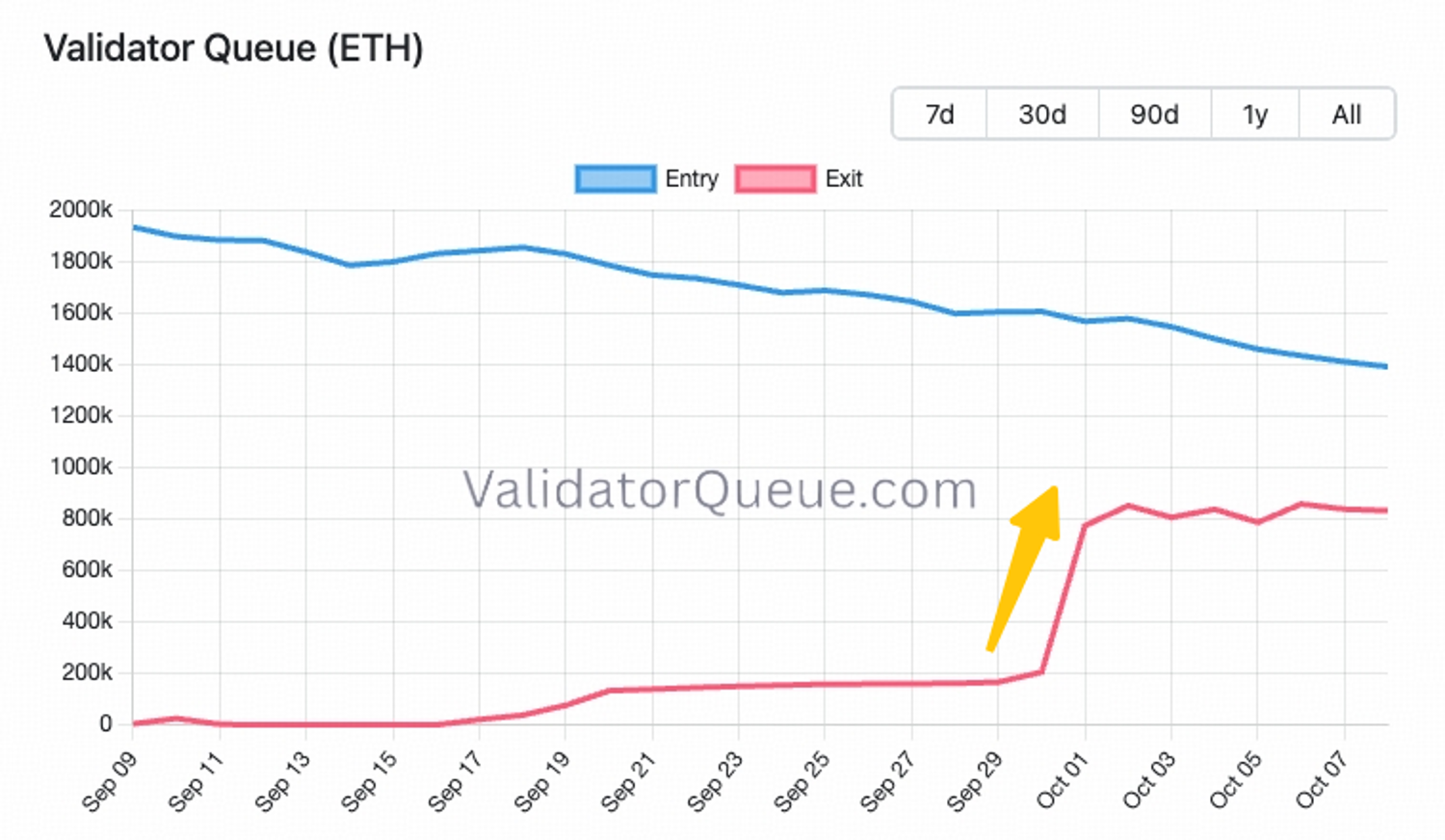
During the latest selloff, ETH fell nearly 11%, compared with roughly 6%–7% for BTC. Both assets face the same macro pressure, but weakening demand and instability in Ethereum’s staking market are adding to ETH’s downside pressure.
Week Ahead
- Oct 13: Big Bank Q3 Earnings (JPMorgan, Goldman Sachs, Wells Fargo)
- Oct 14: US September CPI
- Oct 15: US September PPI
US bank stocks have fallen for nearly two months since mid-Aug, and Tuesday’s earnings from JPMorgan, Goldman Sachs and Wells Fargo will show whether their results can turn the slide around.
On the Fed, September minutes showed most officials still saw another hike this year as appropriate, but no urgency to move again in October. Odds of a 25bp hike on Oct 28 are now below 20%. Wednesday’s CPI is the data point most likely to move that number. Last month’s hot PPI sent Bitcoin down more than 3% in a day, while the following core CPI pushed the odds of a September hike toward 90%.
Disclaimer: The information provided herein does not constitute investment advice, financial advice, trading advice, or any other sort of advice, and should not be treated as such. All content set out above is for informational purposes only.