
Crypto market is infamously volatile, but beneath large price swings lies a powerful force: investor psychology. Markets often behave like a pendulum, swinging between extremes of optimism and pessimism. In times of euphoria, prices soar as greed overtakes; when panic strikes,the market plunges as fear overwhelms. Understanding these cycles of greed and fear is important to navigating not only in crypto, but all financial markets.
Cycles and the Greed-Fear Pendulum
Investors sentiment constantly oscillates in the financial market. When optimism runs high, markets can become overpriced and risk-blind, and when pessimism dominates, prices often fall well below fundamental value. The market pendulum always swings between optimism and pessimism, and it will never stop as long as people are involved. In other words, prices at equilibrium level are very rare in the market, the crowd is usually either chasing greed or fleeing in fear, rarely sitting perfectly balanced in between.
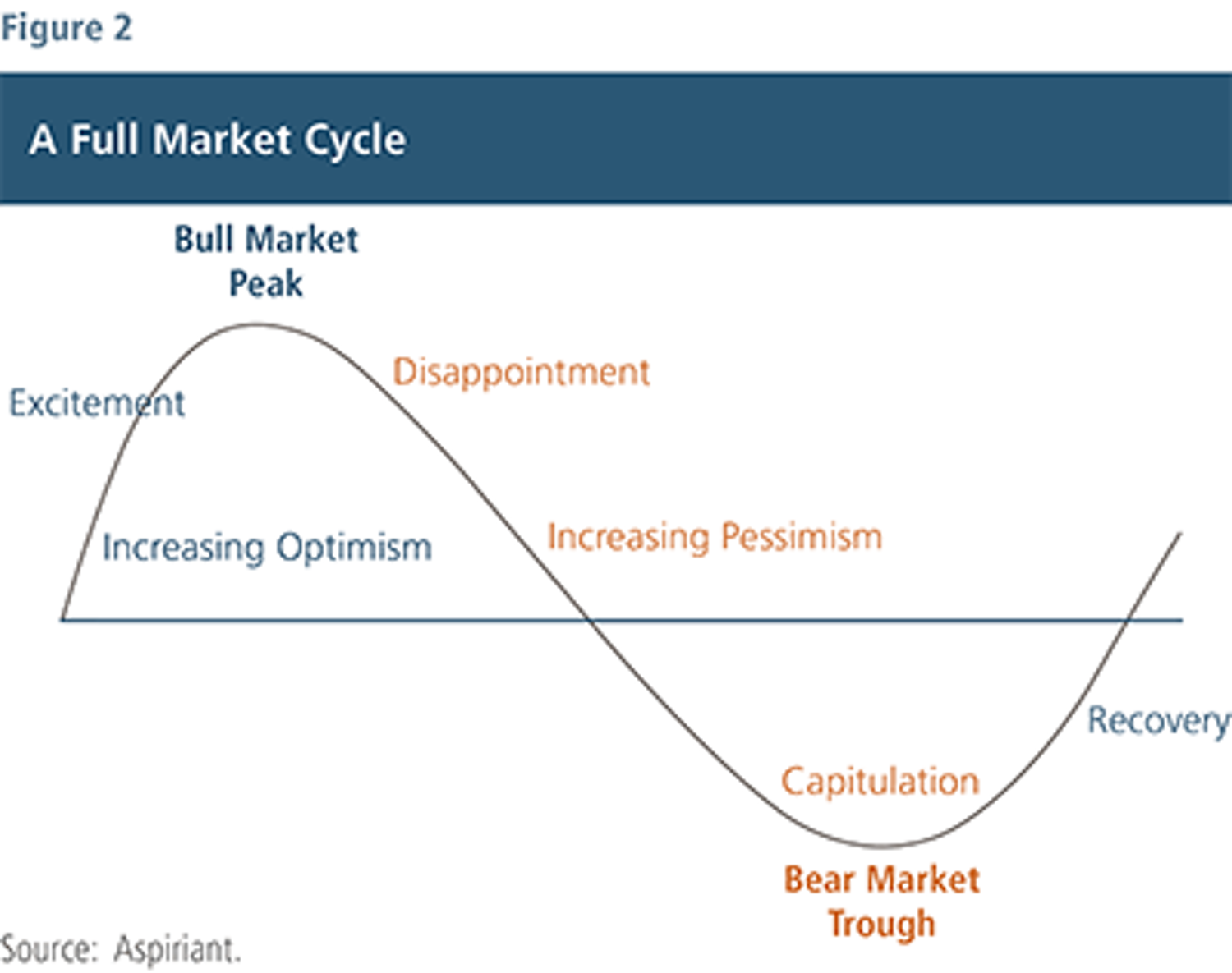
These psychological swings tend to overshoot in both directions. Greed drives prices far above fair value, while fears drive them far below. The farther the pendulum swings toward extreme greed, the more energy builds for an eventual swing back toward fear.
This pattern can be self-reinforcing: rising prices validate the optimistic sentiment, which attracts even more buyers, until the market runs out of buyers and sentiment flips. Likewise, during crashes, falling prices validate the doom, causing capitulation selling that deepens the downturn.
Excessive optimism begets its own demise, and extreme pessimism lays the groundwork for a recovery.
Herd Behavior: FOMO, Euphoria, and Panic
One important concept to understand the market swing is herd behavior. Humans are social creatures and this often translates into crowd-following impulses in markets. In a bull run, herd behavior commonly manifests as FOMO, the fear of missing out. As prices rise and people see others around them making profits, more and more investors rush to join the party. The flood of buyers drives prices even higher. Optimism can morph into exuberance and euphoria, and valuation no longer seems to matter.
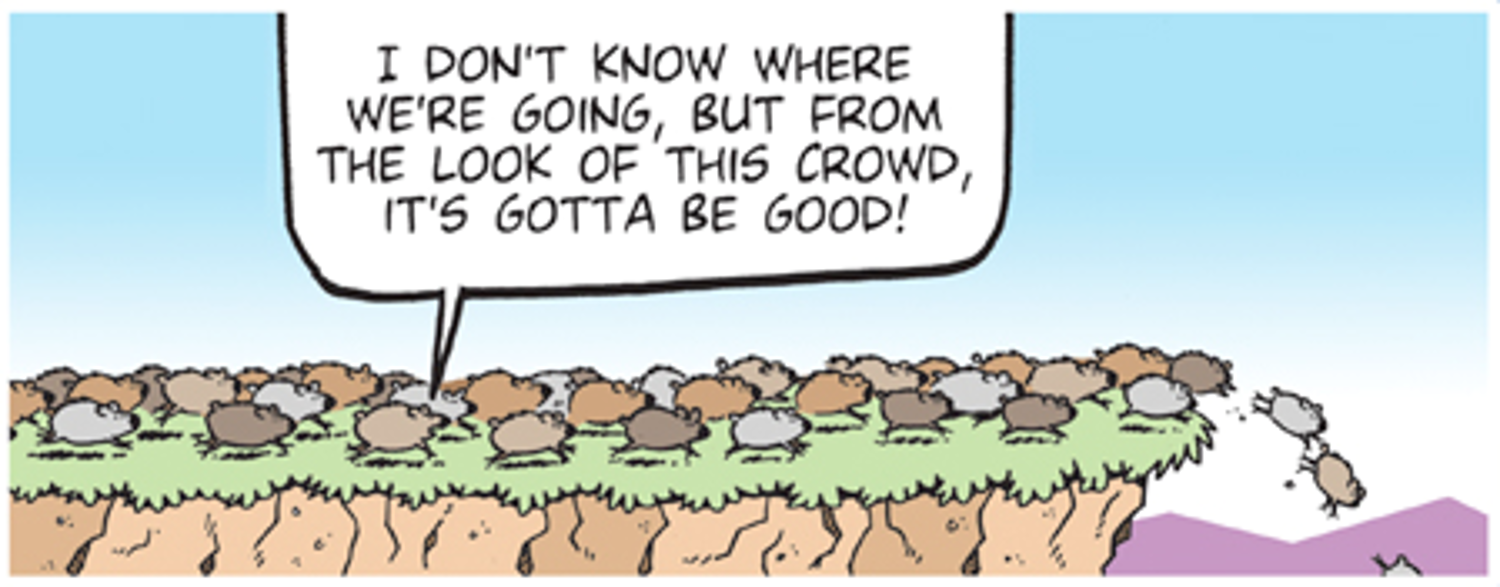
Conversely, when the cycle turns bearish, the herd instinct flips to the sell side. As prices start falling, fear, uncertainty, and doubt (FUD) spread rapidly. Seeing others sell triggers more investors to follow suit. This can cascade into panic selling. In those moments, investors are operating on emotion, specifically fear, rather than rational analysis.
Notably, market sentiment indicators often highlight this dynamic. The popular Crypto Fear & Greed Index tends to flash "Extreme Greed" near market tops and "Extreme Fear" near bottoms.
Wise investors learn to step back from the crowd’s emotional extremes. As the saying goes, the time to be most cautious is when others are greedy, and the time to be bold is when others are fearful.
Navigating the Cycle and Avoiding Pitfalls
After understanding the greed and fear pendulum, one important caveat is to not try to time the top or bottom based on any indicators. Timing the exact top or bottom is exceedingly difficult. The better approach is to recognize when sentiment is at an extreme and tilt your strategy accordingly.
What the wise man does in the beginning, the fool does in the end. - Warren Buffett
Of course, knowing this is one thing, acting on it is another. Our emotions make it hard to go against the crowd. Greed and fear are powerful temptations, they lure us into buying high and selling low. To counteract this, it helps to adopt a disciplined, rule-based approach. Here are a few strategies investors can use:
- Stick to a Plan: Set clear rules before emotions come into play. For example, decide in advance what price or percentage gain would prompt you to take some profits during a bull run, and what decline you could tolerate in a bear market before cutting losses. When you have a plan, honor it. Don't abandon your strategy just due to short-term market noise.
- Manage Risk Wisely: Never risk more than you can afford to lose, no matter how excited the market seems. Use position sizing, diversification. By keeping risk exposure at a reasonable size, you'll be less likely to feel forced into emotional decisions.
- Maintain a Long-term Perspective: Zooming out to the big picture helps temper the extremes of sentiment. Rather than reacting to every twist of the cycle, focus on fundamentals and accumulate gradually over time.
- Learn from History: Finally study past cycles, not because history repeats exactly, but because human nature rhymes.
The overarching goal is to keep emotions in check. Cultivating a temperament that is patient, disciplined, and even a bit contrarian is perhaps the biggest edge an investor can have.